Renewable Energy Systems Workbench
Estimate solar PV and thermal, wind, hydro, geothermal, biomass, annual generation, capacity factor, portfolios, and simplified LCOE.
Engineering reference
Renewable Energy Systems: theory, method, and sources
This environmental & energy engineering workspace publishes 9 governing equations, 7 stated assumptions, 1 documented boundary, and 2 sources so the numbers it returns can be checked rather than taken on trust.
How this tool works
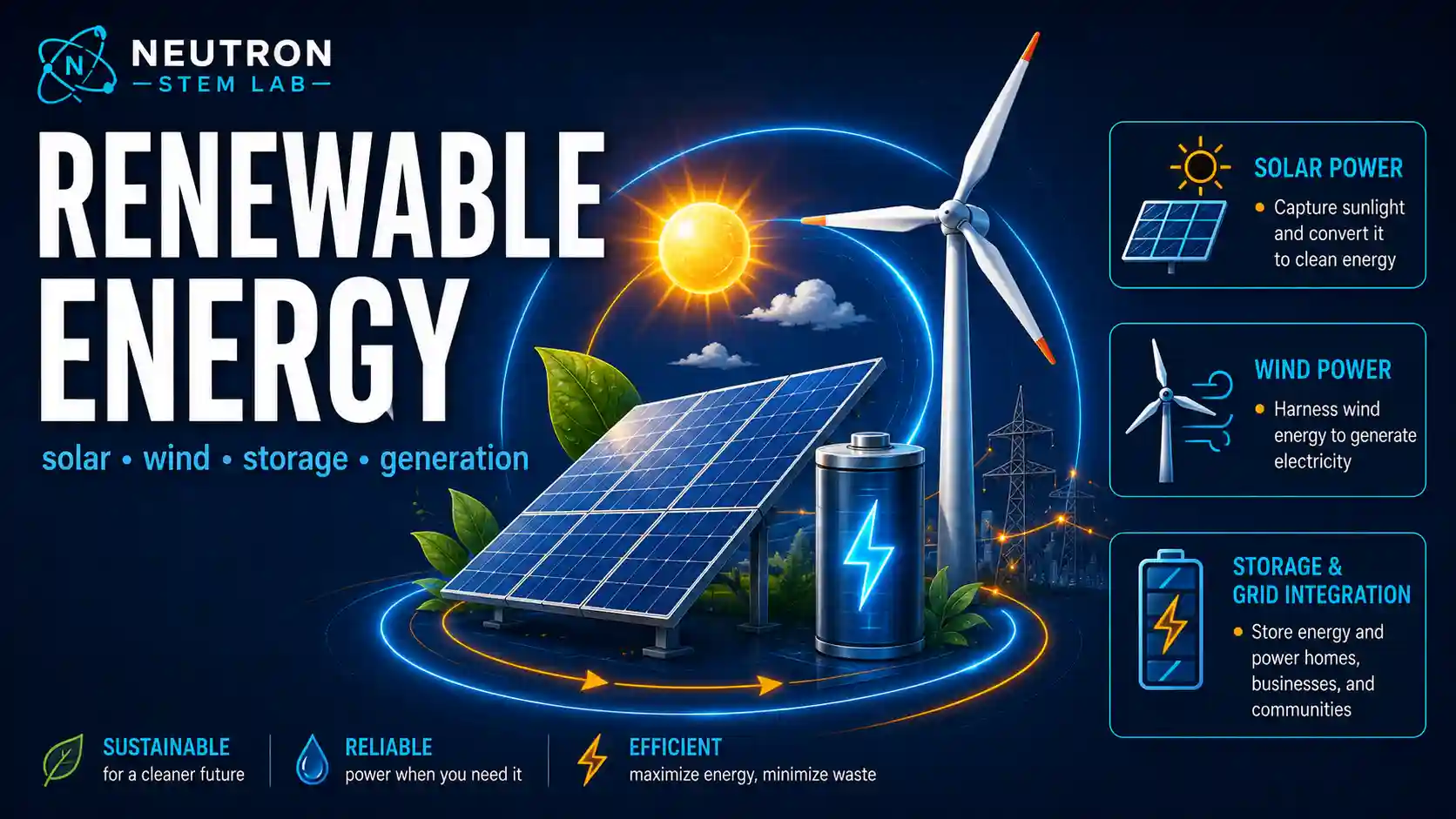
Ten modules cover photovoltaic output, wind turbine power, hydropower, solar thermal, geothermal, biomass, capacity factor, levelized cost of energy, and renewable portfolio share.
Wind output is computed from a user-supplied power coefficient, which should be checked against the Betz limit of 16/27 ≈ 0.593 that no turbine can exceed.
Calculators and topics covered
- solar
- wind
- hydro
- renewable energy
- PV output
- wind power
- hydropower
- geothermal
- capacity factor
- LCOE
Core equations
Method and assumptions
Assumptions
- Resource inputs — irradiance, wind speed, flow — are single representative values, not time series, so output scales linearly rather than following a real resource distribution.
- Wind power uses the cube of a single speed, which understates energy from a variable wind resource compared with a full Weibull distribution.
- Photovoltaic derate factors bundle soiling, temperature, wiring, and inverter losses into one number.
- LCOE uses a constant discount rate with level annual output and no degradation, tax treatment, or fuel escalation.
- Grid integration constraints, curtailment, and transmission losses are not included.
- The wind power coefficient is entered by the user and is not checked against the Betz limit of 16/27; a value above it is not physically achievable.
- Hydropower uses a fixed water density of 998.2 kg/m³ rather than a temperature-dependent value.
Limitations and design boundaries
- Educational screening calculations only. Project design and investment decisions require site resource data, equipment curves, hourly simulations, grid studies, environmental review, finance models, and qualified engineering analysis.
Sources and references
Primary sources are preferred for ratings, standards, manufacturer data, and externally defined constants.
- Masters, Renewable and Efficient Electric Power Systems
- Boyle, Renewable Energy: Power for a Sustainable Future